
/baker-troy.jpg)
/murphy-craig.jpg)
/clark-stevie.jpg)
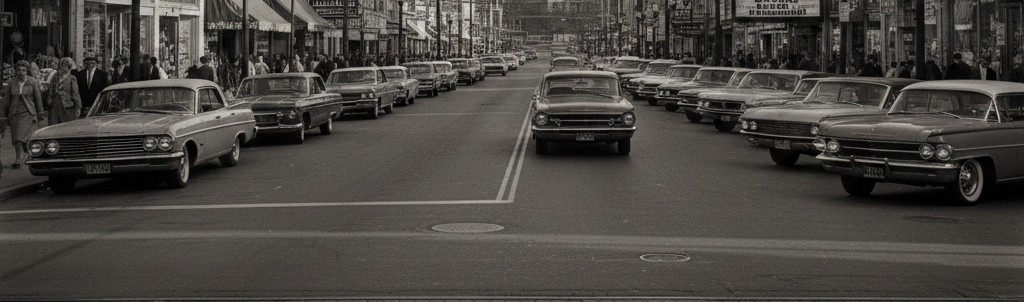
1960s: Urban Renewal Initiatives
The 1960s was a period of active urban renewal across much of the United States, including Winston-Salem, North Carolina. This era generally involved replacing older, historic structures with modern infrastructure and civic buildings.
In 1964, CES was launched, in Winston-Salem, North Carolina with Mechanical & Electrical consulting offered throughout North Carolina.
In 1964, CES was launched, in Winston-Salem, North Carolina with Mechanical & Electrical consulting offered throughout North Carolina.
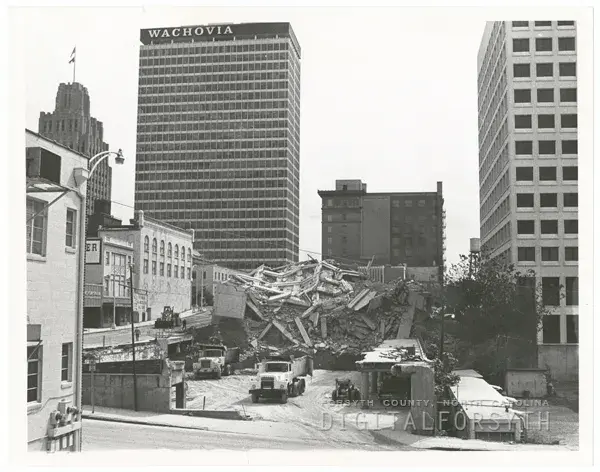
1970s: Early Efforts at Preservation
Growing opposition to urban renewal triggered a shift in the 1970s toward preserving the architectural heritage of many communities. CES provided mechanical and electrical consulting for dozens of projects throughout North Carolina.
Photograph provided by Digital Forsyth, Forsyth County, North Carolina.
1973 - Demolition of the NCNB Building at Liberty and Third St., Winston-Salem, North Carolina.
Photograph provided by Digital Forsyth, Forsyth County, North Carolina.
1973 - Demolition of the NCNB Building at Liberty and Third St., Winston-Salem, North Carolina.
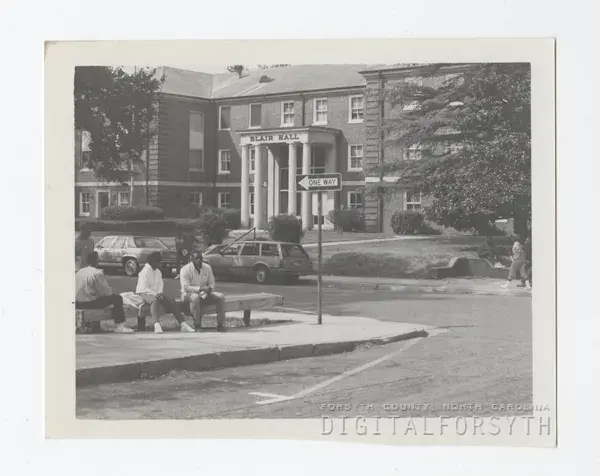
1980s: Edge Cities Arise
The 1980s were a time of urban sprawl. Massive commercial hubs were built on the outskirts of traditional cities, often at or nearby highway interchanges, and suburban office parks were being developed to be closer to where employees lived.
CES supported several of these projects with MEP, fire protection and commissioning.
Photograph provided by Digital Forsyth, Forsyth County, North Carolina.
1980 - Winston Salem State University.
CES supported several of these projects with MEP, fire protection and commissioning.
Photograph provided by Digital Forsyth, Forsyth County, North Carolina.
1980 - Winston Salem State University.
1990s: Economic Development Planning
Urban areas were heavily focused on economic development planning as well as infrastructure improvements in the 1990s. Early discussions for converting historic industrial buildings were taking shape. CES supported several historic industrial building conversions with MEP, fire protection and commissioning.
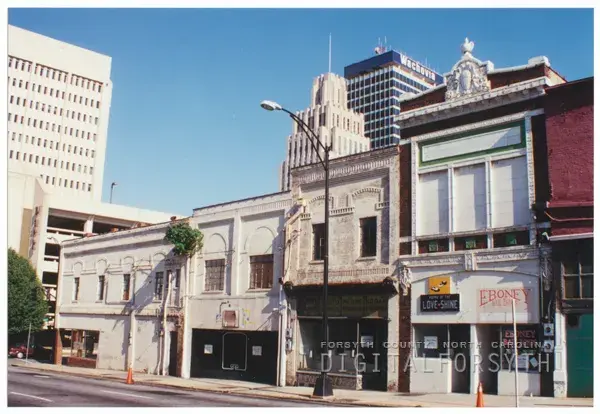
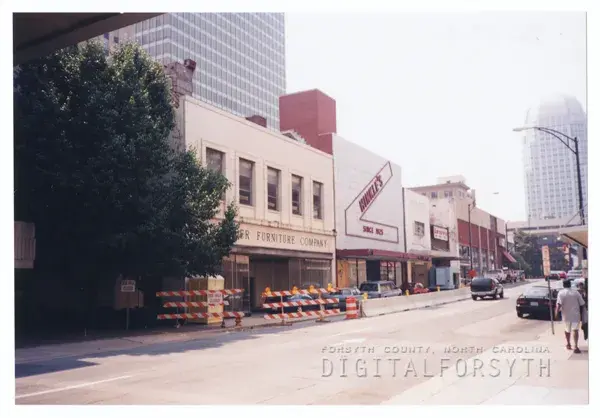
Photograph provided by Digital Forsyth, Forsyth County, North Carolina.
1995 - Bock of Liberty and Fifth Trade Streets, demolished for the transit center.
Photograph provided by Digital Forsyth, Forsyth County, North Carolina.
1995 - Bock of Liberty and Fifth Trade Streets, demolished for the transit center.
2000s: Revitalization and Adaptive Reuse
CES took on several critical projects including serving as the MEP engineer on the first LEED Gold certified school in the US, Third Creek Elementary. The school board celebrated the landmark achievement of LEED Gold certification in 2002.
At CES, we celebrated years after when the school remained efficient, comfortable and maintainable for the districts’ students and facility staff.
Photograph provided by Digital Forsyth, Forsyth County, North Carolina.
At CES, we celebrated years after when the school remained efficient, comfortable and maintainable for the districts’ students and facility staff.
Photograph provided by Digital Forsyth, Forsyth County, North Carolina.
2010s - Decade of Repurposing
Between 2010 and 2020, Winston-Salem underwent a massive transformation, shifting its identity from a traditional manufacturing center ("Camel City") to a modern hub for biotech, arts, and urban living.
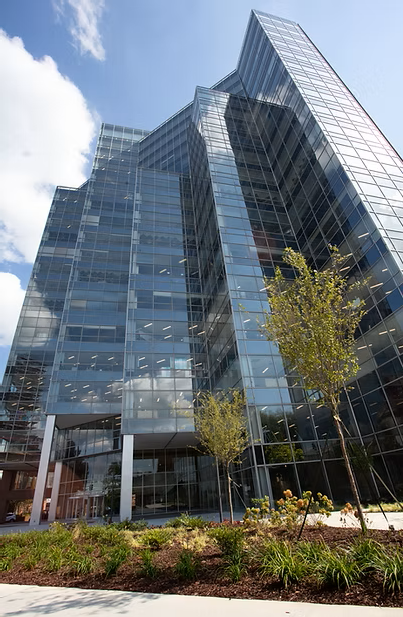
'The Flow Building' located at 500 W 5th Street, is one of the buildings that underwent a transformation. CES provided MEP and Commissioning. The Flow Building was originally constructed in 1980. Renovations introduced a more open, sleek feel with large glass windows and updated common areas, a multi-tenant tower that serves as a hub for corporate headquarters, financial services, and the local startup ecosystem.
'The Flow Building' located at 500 W 5th Street, is one of the buildings that underwent a transformation. CES provided MEP and Commissioning. The Flow Building was originally constructed in 1980. Renovations introduced a more open, sleek feel with large glass windows and updated common areas, a multi-tenant tower that serves as a hub for corporate headquarters, financial services, and the local startup ecosystem.
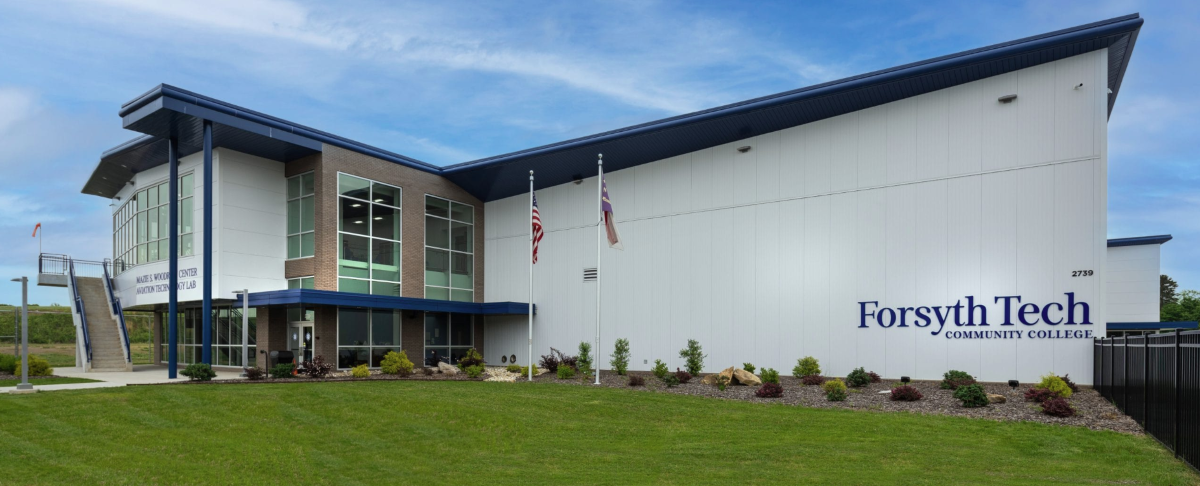
2020s - Fast Growth
Since 2020, North Carolina has solidified its position as one of the fastest-growing states in the U.S.
In Winston-Salem, North Carolina, there are new residential hubs, entertainment, culture and continued expansion of the innovation quarter.
Photograph, provided by Michael Graves Architects, depicts Forsyth Technical Community College Mazie S. Woodruff Aviation Technology Lab, located at Smith Reynolds Airport.
In Winston-Salem, North Carolina, there are new residential hubs, entertainment, culture and continued expansion of the innovation quarter.
Photograph, provided by Michael Graves Architects, depicts Forsyth Technical Community College Mazie S. Woodruff Aviation Technology Lab, located at Smith Reynolds Airport.